


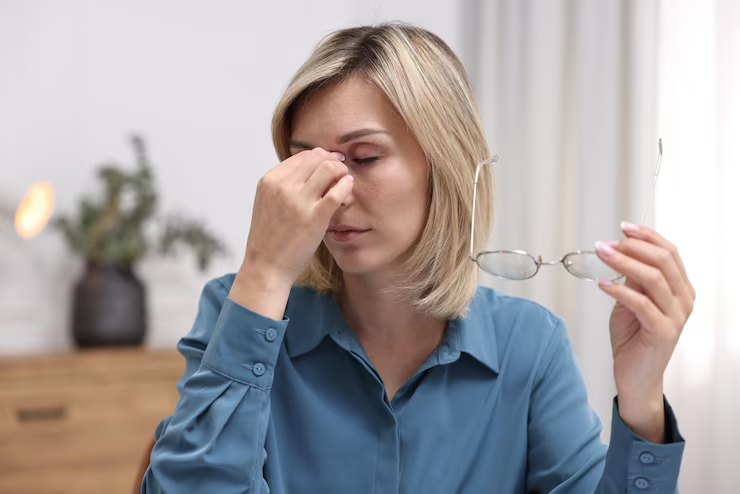
Lazy eye, medically known as amblyopia, is a condition most commonly diagnosed during childhood. However, many people are surprised to learn that it can also be present or develop in adulthood. In adults, amblyopia can significantly impact daily life—causing issues with depth perception, reading, and coordination. So what causes lazy eye in adults, and what can be done about it? Let’s take a closer look.
What is Lazy Eye (Amblyopia)?
Lazy eye occurs when one eye has reduced vision because the brain and the eye are not working together properly. Over time, the brain starts to favor the stronger eye and suppresses the image coming from the weaker one. Unlike other vision issues, amblyopia is not always correctable with glasses or contact lenses alone.
Can You Develop Lazy Eye as an Adult?
Yes. While amblyopia typically begins in childhood, it can persist into adulthood or develop due to new visual challenges or health conditions. Adults can experience worsening of an untreated lazy eye or develop symptoms due to trauma, illness, or other vision disorders.
Common Causes of Lazy Eye in Adults
1.Untreated Childhood Amblyopia
One of the most common reasons for amblyopia in adults is a failure to diagnose or treat the condition during childhood. Without early intervention, the vision imbalance continues into adulthood.
2.Strabismus (Eye Misalignment)
When the eyes do not align properly (crossed or wandering eye), the brain may ignore the visual input from one eye to avoid double vision. This suppression can lead to amblyopia over time.
3.Anisometropia (Unequal Refractive Errors)
If one eye is much stronger or weaker than the other, the brain may prefer the clearer image. Persistent neglect of the weaker eye’s input can lead to amblyopia.
4.Eye Trauma or Injury
Injury to one eye—especially if it impacts clarity of vision—can cause the brain to favor the healthy eye. Over time, this lack of use can lead to lazy eye.
5.Cataracts or Vision Obstruction
Cataracts, ptosis (drooping eyelid), or any obstruction that blurs the image in one eye can reduce the quality of visual signals sent to the brain, triggering amblyopia.
Symptoms of Lazy Eye in Adults
- Blurred vision in one eye
- Poor depth perception
- Eye strain or fatigue
- Head tilting to favor one eye
- Difficulty reading or focusing
- Double vision (in some cases)
Can Lazy Eye Be Treated in Adults?
Yes! While earlier treatment often leads to better outcomes, adults can still benefit significantly from various treatment options:
✅ Vision Therapy
Vision therapy uses customized exercises and activities to retrain the brain and improve communication between both eyes. This is often the most effective treatment for adult amblyopia.
✅ Corrective Lenses
Glasses or contact lenses may be prescribed to correct refractive errors that contribute to the condition.
✅ Eye Patching
Though more common in children, patching the dominant eye to stimulate the weaker one can sometimes be recommended for adults under professional guidance.
✅ Surgery (in some cases)
If amblyopia is caused by strabismus or cataracts, surgery may help align the eyes or remove obstructions. Post-surgical therapy is still required to restore visual function.
Final Thoughts
Lazy eye in adults is more common than many realize—and it’s never too late to seek help. If you experience persistent visual problems in one eye or have a history of eye issues, schedule a comprehensive eye exam. Early diagnosis and modern treatments like vision therapy can significantly improve visual outcomes, even in adulthood.