


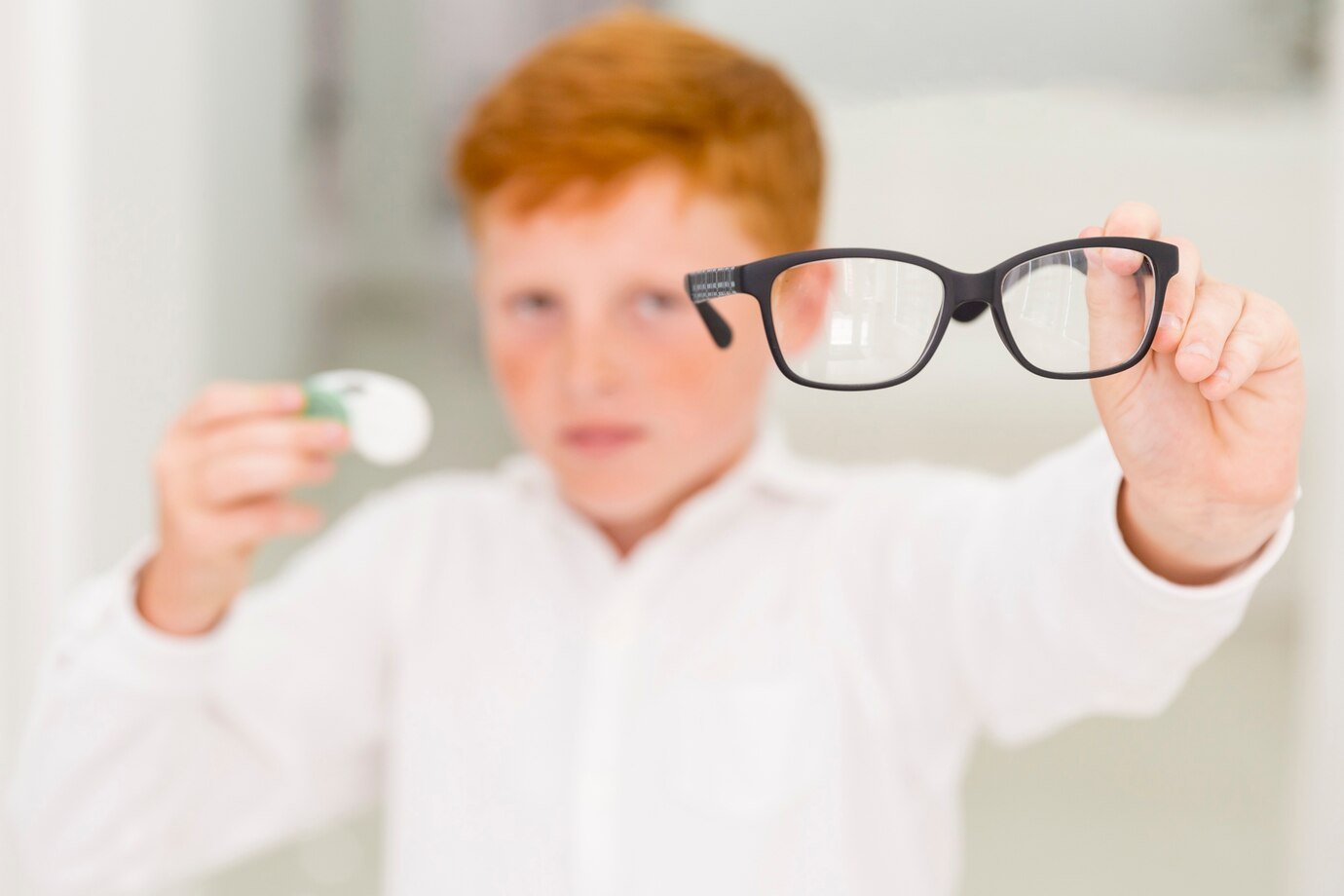
Seeing double—known medically as diplopia—can be an unsettling experience. Whether it’s a temporary occurrence or a persistent condition, double vision can affect daily activities like reading, driving, and walking. Understanding what causes diplopia and how it can be treated is crucial for protecting your vision and overall health.
What Is Diplopia?
Diplopia is the perception of two images of a single object. These images may appear side by side, on top of each other, or a mix of both. It can affect one eye (monocular diplopia) or both eyes (binocular diplopia), and the causes for each can differ.
Types of Diplopia
1.Monocular Diplopia:
Occurs when double vision persists even when one eye is closed. It’s usually linked to an issue within the eye itself.
Common Causes:
- Astigmatism
- Cataracts
- Dry eye syndrome
- Corneal abnormalities
2. Binocular Diplopia:
Happens only when both eyes are open and resolves when either eye is closed. This typically results from a misalignment of the eyes.
Common Causes:
- Strabismus (crossed eyes)
- Cranial nerve palsy
- Thyroid eye disease
- Brain injury or stroke
- Multiple sclerosis
Symptoms of Diplopia
- Seeing two images of a single object
- Eye misalignment
- Eye strain or discomfort
- Headaches
- Nausea or dizziness
If you experience these symptoms persistently, it’s important to seek medical evaluation.
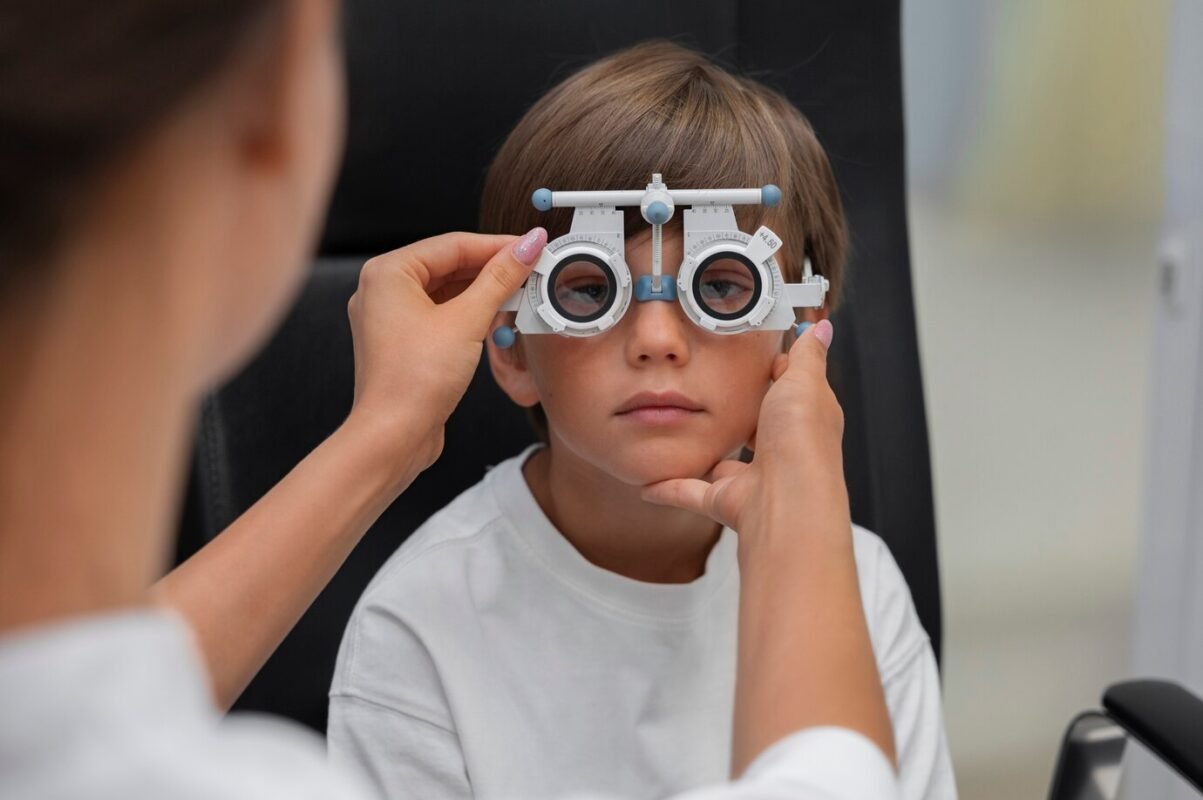
Diagnosis
A thorough eye exam by an optometrist or ophthalmologist is the first step. Depending on the type of diplopia, your doctor may recommend additional tests, such as:
- Neurological examination
- Imaging (MRI or CT scan)
- Blood tests
- Eye movement assessments
Treatment Options
Treatment depends on the underlying cause and whether the diplopia is monocular or binocular:
For Monocular Diplopia:
- Corrective Lenses: Glasses or contact lenses for refractive errors like astigmatism
- Surgery: For cataracts or corneal issues
- Eye Drops: For dry eyes
For Binocular Diplopia:
- Prism Glasses: Help realign images into a single view
- Vision Therapy: Exercises to strengthen eye coordination and alignment
- Surgery: To correct muscle imbalances (especially in strabismus)
- Treating the Underlying Condition: Managing thyroid disease, diabetes, or neurological disorders
When to See a Doctor
Sudden or unexplained double vision can be a sign of a serious medical condition such as a stroke or brain aneurysm. Seek immediate medical attention if you experience:
- Sudden onset of double vision
- Facial weakness or drooping
- Difficulty speaking or walking
- Severe headache
Final Thoughts
Double vision is more than just a visual annoyance—it’s a symptom that something else may be going on in your body. With the right diagnosis and treatment plan, diplopia can often be managed or even fully resolved. If you or a loved one experiences double vision, don’t ignore it—early intervention is key to maintaining clear, comfortable vision.